How to Get Married in Florida: A Complete Guide
Weddings, Florida wedding officiant, Marriage license
How to Get Married in Florida: Marriage License, Ceremony and Wedding Officiant Basics
Planning to get married in the Sunshine State? Whether you are a Florida resident or traveling in for a destination celebration, understanding how to get legally married in Florida is just as important as choosing flowers and photography. This guide walks you through the marriage license process, the Florida marriage ceremony requirements, and how a professional Florida wedding officiant can help you create a smooth, stress‑free experience from “yes” to “I do.”
Step 1: Understand the Basics of Getting Married in Florida
Before you start searching “wedding officiant near me” or booking a venue, it helps to understand how Florida law views marriage. In Florida, a legal marriage generally requires three key elements:
A valid Florida marriage license issued by a county clerk of court
A lawful marriage ceremony conducted within the effective dates of that license
An authorized Florida wedding officiant who completes and returns the license to the issuing clerk
Florida law is statewide, but each county clerk’s office can have slightly different procedures, forms, and appointment systems. Always verify the most current requirements directly with the appropriate county clerk of court where you plan to apply for your license. Websites, office hours, waiting periods, and fees can change, and you want to avoid last‑minute surprises.
💡 Pro Tip: Decide which county you will obtain your license in early in your planning. Then bookmark that clerk’s website and check it again 30–45 days before your ceremony to confirm nothing has changed.
Step 2: Applying for a Florida Marriage License
The marriage license is your legal permission to get married in Florida. You can typically apply for a license in any Florida county, and then hold your ceremony anywhere in the state. The general process is similar across counties, but details can vary, so use this as a general roadmap and confirm specifics with the clerk of court.
Common Requirements to Obtain a Marriage License
Both parties must appear in person at the clerk’s office (some counties offer online or video options—verify with the clerk).
You will need valid photo identification (such as a driver’s license, state ID, or passport). Some counties may request proof of Social Security numbers where applicable.
If either person was previously married, you may need to provide the date of divorce, annulment, or spouse’s death. Some counties require documentation, so check ahead of time.
You will complete a marriage license application, either online before your visit or at the clerk’s office.
You must pay the required license fee, which can vary by county and may be reduced if you complete a premarital preparation course approved in Florida.
Many couples planning to get married in Florida are from out of state. In most cases, non‑residents can apply for a license just like residents, but residency can affect waiting periods and fee reductions. Again, confirm with the county clerk for the most accurate, up‑to‑date guidance for your specific situation.
Waiting Periods and License Validity
Florida often has a brief waiting period for residents who have not completed a premarital preparation course. Non‑residents may not have a waiting period, but this is another detail that can shift over time. Once issued, a Florida marriage license is typically valid for a limited number of days, and your ceremony must occur within that window or you will need to reapply.
📌 Key Takeaway: Apply for your license close enough to your wedding date that it will still be valid on the day of your ceremony, but early enough to handle any waiting period or documentation issues.
Step 3: Planning Your Florida Marriage Ceremony
Once you have your license, the fun part begins: planning your actual Florida marriage ceremony. Florida is known for its beaches, gardens, historic courthouses, and charming city venues, so you have plenty of options for where and how to say your vows.
Who Can Officiate a Wedding in Florida?
Florida law authorizes several types of people to officiate a marriage ceremony, including:
Ordained or licensed ministers and other clergy
Notaries public commissioned in Florida
Certain judicial officers (such as judges) and clerks of court
Many couples choose a professional Florida wedding officiant because they combine legal knowledge with ceremony‑planning experience. An experienced officiant knows how to keep your ceremony personal and meaningful while also ensuring all legal requirements are met and the paperwork is handled correctly afterward.
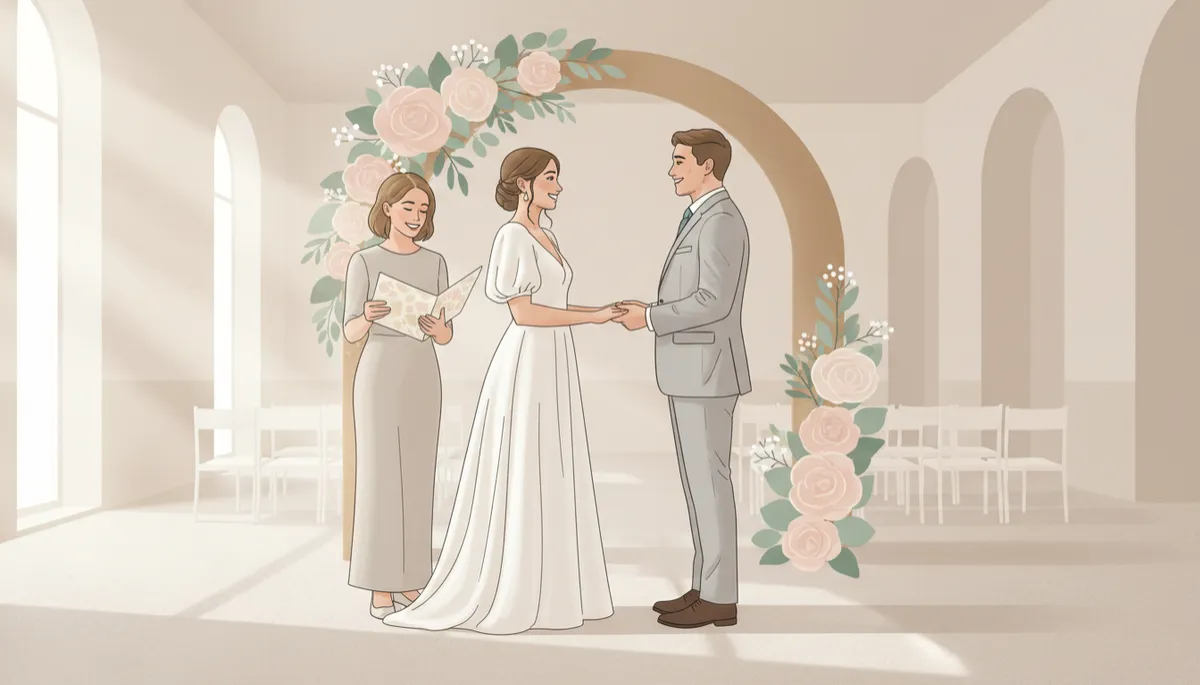
A professional officiant keeps your ceremony heartfelt while managing every legal detail.
What Happens During the Ceremony?
Your ceremony can be as simple or elaborate as you like, but from a legal standpoint, there are a few essentials. In general, a Florida marriage ceremony includes:
The couple’s clear intent to marry, usually expressed through vows or verbal consent.
The officiant’s pronouncement that you are legally married.
Completion and signing of the marriage license by the couple, officiant, and, where required, witnesses.
Beyond that, you can incorporate readings, religious or cultural traditions, unity ceremonies, or anything else that reflects your relationship. A seasoned Florida wedding officiant will help you design a ceremony that fits your style, time frame, and venue while remaining fully compliant with Florida law.
Step 4: Completing and Returning Your Marriage Paperwork
One of the most important parts of getting married in Florida happens after the vows. The marriage license must be properly completed, signed, and returned to the issuing clerk of court within the specified timeframe. If this step is missed or done incorrectly, your marriage may not be recorded, which can create complications later when you need certified copies for name changes, benefits, or legal matters.
Who Is Responsible for the License After the Ceremony?
In Florida, the officiant is typically responsible for completing the license and returning it to the clerk’s office. This includes:
Ensuring all required sections are filled out clearly and accurately
Confirming that the couple’s names and dates are correct and legible
Including any required witness signatures if applicable
Submitting the license back to the issuing clerk by mail or in person within the required timeframe
Different counties may have slightly different preferences for how the license is returned (for example, drop‑off versus mail‑back envelopes). A professional officiant will be familiar with these procedures and handle this step for you, so you can focus on celebrating.
Receiving Your Certified Marriage Certificate
After the clerk receives and records your license, you can request certified copies of your marriage certificate. These are the documents you will use for:
Legal name changes on identification and financial accounts
Insurance and employment benefit updates
Immigration or travel documentation where applicable
Many couples choose to order at least two certified copies so they can keep one safely stored while using the other for everyday administrative tasks. Check with your county clerk for current fees and ordering options.
How a Professional Florida Wedding Officiant Supports You
When you search for a “wedding officiant near me,” you are not just looking for someone to read a script. You are choosing a partner who will guide you through the legal and ceremonial parts of your day. A professional Florida wedding officiant can help you:
Understand the marriage license process and timing, and remind you to verify details with your county clerk.
Design a ceremony that reflects your story, values, and preferences, whether spiritual, religious, or secular.
Coordinate with your venue and vendors to ensure the ceremony flows smoothly and on schedule.
Manage the signing, completion, and return of your marriage license so your marriage is properly recorded.
💡 Pro Tip: Ask potential officiants how they handle the license on wedding day, how and when they return it, and whether they will confirm once it has been filed with the clerk.
How Couples Can Prepare for Working With a Wedding Officiant
To get the most from your officiant’s services, a little preparation goes a long way. Here are practical steps couples can take before the big day.
Clarify Your Ceremony Vision
Before your planning meeting, talk with each other about the feel you want for your ceremony:
Short and simple, or full‑length with readings and rituals?
Religious, spiritual, interfaith, or completely non‑religious?
Formal and traditional, or relaxed and conversational?
Sharing this vision with your officiant helps them craft wording, pacing, and structure that feels authentic to you, while still meeting Florida’s legal requirements for a valid marriage ceremony.
Gather Practical Details for Your Officiant
Your officiant will likely ask for key information to complete your license correctly and personalize your ceremony. Be ready to provide:
Exact spelling of your legal names as they appear on your IDs and marriage license
Preferred name usage during the ceremony (for example, nicknames or middle names)
Ceremony date, time, and exact location, including backup plans for weather if outdoors
Whether you will write your own vows or prefer traditional options
Confirm License and County Requirements Together
While you are ultimately responsible for obtaining your marriage license, a conscientious officiant will remind you to:
Check your county clerk’s website for the most current instructions, fees, and waiting periods.
Bring the license to the ceremony on wedding day (and keep it in a safe, easy‑to‑access place).
Confirm how many certified copies you want after your marriage is recorded.
This shared attention to detail helps ensure your Florida marriage is both beautiful and legally sound from start to finish.
Frequently Asked Questions About Getting Married in Florida
Do we have to be Florida residents to get married in Florida?
No. Many couples travel from out of state or even overseas to get married in Florida. Non‑residents can usually apply for a marriage license under similar rules to residents, though some details—such as waiting periods or premarital course benefits—may differ. Always confirm with the county clerk where you will apply.
How far in advance should we apply for our marriage license?
You should apply early enough to account for any waiting period and potential documentation issues, but not so early that the license expires before your ceremony. Review the validity period on your county clerk’s website and plan your application date around your wedding date. Many couples aim for 1–4 weeks before the ceremony, depending on travel plans and county rules.
Can a friend or family member officiate our Florida wedding?
A friend or family member can officiate if they meet Florida’s legal requirements—for example, if they are ordained clergy or a commissioned Florida notary public. However, many couples still choose a professional Florida wedding officiant to ensure the ceremony runs smoothly and all legal paperwork is handled correctly, even if a loved one participates with readings or vows.
Do we need witnesses for our Florida marriage ceremony?
Florida law does not always require witnesses, but some counties or officiants may prefer to have them sign the license, and other jurisdictions may expect witness signatures when you use your certificate later. This is another area where procedures can vary, so review your county clerk’s guidance and ask your officiant what they recommend for your situation.
What if we lose our marriage license before the ceremony?
If the license is lost or damaged before the ceremony, contact the issuing county clerk immediately for instructions. You may need to obtain a replacement or reapply, depending on the circumstances. This is one of the reasons many officiants recommend keeping the license in a clearly labeled folder or envelope and designating one responsible person to bring it to the ceremony.
How do we find a reliable wedding officiant near us in Florida?
When searching for a wedding officiant near me, look for clear experience with Florida marriages, positive reviews, and a professional process for planning and communication. Ask how they customize ceremonies, what is included in their services, and how they handle the marriage license before and after your wedding. A dedicated officiant will answer these questions confidently and help you feel at ease.
Make Your Florida Wedding Seamless with Seamless Signature Solutions
Your wedding day should be about connection, joy, and celebration—not worrying whether the right boxes are checked on your paperwork. Partnering with a knowledgeable Florida wedding officiant helps you move smoothly from obtaining your marriage license, to your ceremony, to having your marriage properly recorded with the clerk of court.
Seamless Signature Solutions provides professional wedding officiant services designed to make your Florida marriage ceremony both meaningful and legally secure. From answering your questions about county procedures to guiding you through the ceremony and ensuring your license is completed and returned correctly, we focus on the details so you can focus on each other.
Ready to get married in Florida with confidence? Inquire about Seamless Signature Solutions wedding officiant services today by calling 866-977-5774. We are here to help you create a ceremony you will remember—and paperwork you never have to worry about.