Mobile Notary Services for Medical Facilities
Local SEO, Mobile Notary, Hospital Notary Near Me, Nursing Home Notary, Assisted Living Notary, Mobile Notary Hospital Florida
Mobile Notary Services for Hospitals, Nursing Homes and Assisted Living Facilities
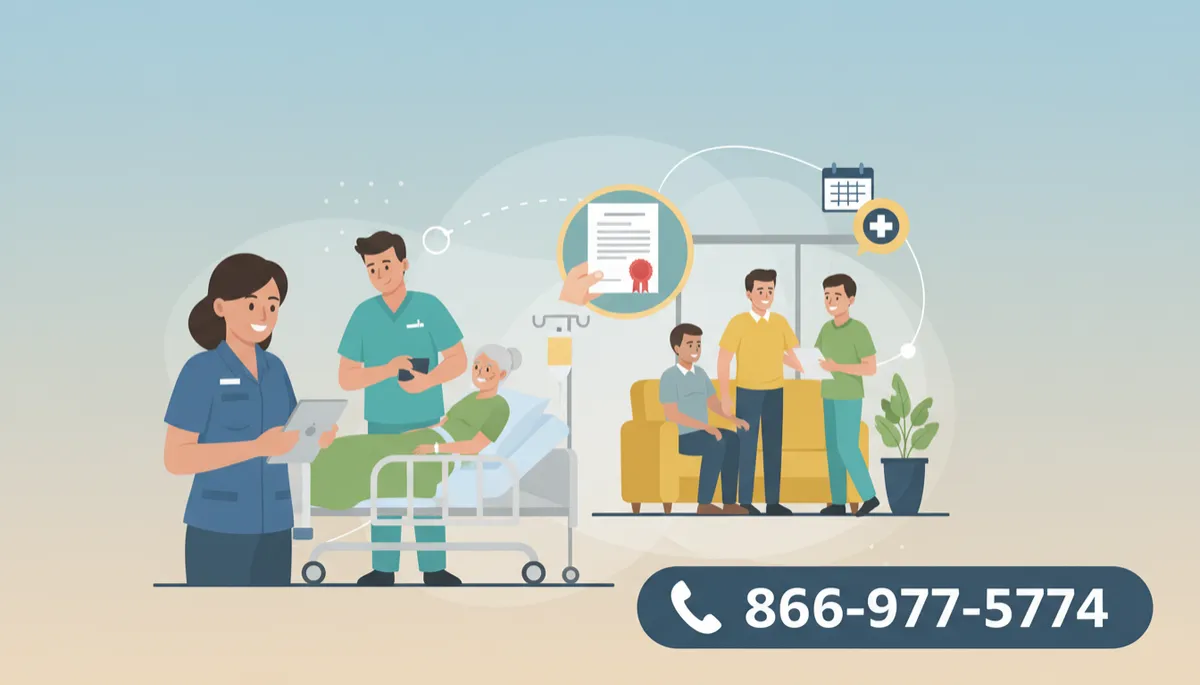
When a loved one is in a hospital, nursing home or assisted living facility, important paperwork often cannot wait. A professional mobile notary can come directly to the bedside or common area to help complete critical documents safely and correctly. This guide explains how mobile notarization works in medical and long‑term care settings, what to expect, and how to prepare so your visit goes smoothly—without providing legal advice or telling you what you should sign.
Why Mobile Notarization Is So Useful in Medical and Care Facilities
Families often search online for a hospital notary near me or a nursing home notary at stressful moments—after an unexpected diagnosis, during a hospital stay, or when a resident’s condition changes. In these situations, traveling to a bank or traditional office is difficult or impossible. That is where a mobile notary hospital Florida service or local assisted living notary can help by coming directly to the facility at a scheduled time.
Mobile notarization is especially useful in these settings because:
Patients and residents may have limited mobility or be confined to bed, making travel impractical or unsafe.
Hospitals and care facilities often operate on tight schedules, and decisions sometimes need to be documented quickly to avoid delays in care or financial planning.
Family members may be visiting from out of town and only available for a short window of time to sign documents together.
Sensitive documents—such as powers of attorney or health care directives—often require in‑person notarization and sometimes witnesses, which a prepared mobile notary can help coordinate.
While a notary’s role is limited to verifying identity, willingness and awareness—not to provide legal advice—the convenience of on‑site service can make a difficult day a little easier for everyone involved.
Identification Preparation: What the Notary Needs to See
One of the most important steps in planning a visit from a hospital notary near me is making sure the signer has acceptable identification ready. Notaries must follow state law regarding ID, and requirements can vary by jurisdiction. The following information is general and not a substitute for legal guidance, but it can help you prepare for your appointment.
Government‑issued photo ID: Common examples include a driver’s license, state ID card, passport, military ID, or other government‑issued photo identification that is current or within the acceptable expiration period under state law.
Matches the name on the document: The name on the ID should reasonably match the name of the person signing. If the document uses a nickname or former name, discuss this with the notary in advance so they can determine whether they can proceed under your state’s rules.
Physical possession: The signer—or a trusted person at the bedside—should have the ID physically present at the time of notarization. Photos of ID on a phone are generally not acceptable.
If the patient or resident has lost their ID or it has expired, contact the mobile notary in advance. In some states, alternative methods of identification—such as credible witnesses—may be permitted, but the notary must decide what is allowed under local law. If proper identification cannot be obtained, the notary will not be able to proceed with the notarization.
Signer Willingness and Awareness: Protecting the Signer
In hospitals, nursing homes and assisted living facilities, the condition of the signer can change quickly. A professional nursing home notary or assisted living notary is trained to look for signs that the signer is acting willingly and appears aware of what is happening. This is not a medical or legal evaluation, but a basic safeguard required by notary law in many states.
The notary will generally speak directly with the signer, even if family members are present, to confirm that they want to sign the document and understand they are signing a legal paper.
If the signer appears heavily sedated, confused, or unable to communicate clearly, the notary may decline to proceed or suggest rescheduling for a time when the signer is more alert, if that is possible.
The notary must also be alert to any signs of pressure or coercion. If a signer seems reluctant or indicates they do not want to sign, the notary cannot complete the notarization.
Families can help by choosing a time of day when the patient or resident is typically most awake and comfortable, and by allowing the notary a few private moments with the signer if requested. This protects everyone involved and helps ensure the notarial act is valid.
Facility Access and Coordination with Staff
Each hospital, nursing home and assisted living community has its own rules for visitors and outside professionals. When arranging a visit from a mobile notary hospital Florida service or any local provider, it is important to coordinate with the facility in advance to avoid delays at the front desk or security checkpoint.
Provide the notary’s name to the nurse’s station or reception so they know to expect a visitor and can direct them to the correct room or meeting area.
Confirm any visiting hours, COVID‑19 protocols, or sign‑in requirements that might affect the appointment time or length of visit.
Ask staff whether a quiet space can be provided if the patient shares a room or needs privacy for the signing.
Clear communication among the family, the facility and the notary helps minimize stress and ensures the visit respects both the signer’s privacy and the facility’s policies.

Coordinating with facility staff in advance keeps the notarization visit smooth and timely.
Witnesses: When They Are Needed and How to Plan
Many documents commonly signed in hospitals and long‑term care facilities require one or more witnesses in addition to a notary. The exact number of witnesses, who may serve as a witness, and whether a notary can also act as a witness depend on state law and the specific document. Because a notary cannot give legal advice, it is important to check the document instructions or consult with an attorney or document preparer if you are unsure about witness requirements.
For some powers of attorney, advance directives, or health care documents, witnesses must be adults who are not named in the document and have no financial interest in the signer’s estate or care decisions.
In many cases, spouses, children, or facility staff may be restricted from serving as witnesses, depending on the form and state law.
Some mobile notaries can help arrange independent witnesses for an additional fee, but this must be scheduled in advance so everyone can arrive at the same time.
Before the appointment, review your document carefully to see how many witness signature lines are included and whether any special instructions are printed on the form. Having qualified witnesses ready when the notary arrives can save time and avoid the need for a second visit.
Scheduling a Mobile Notary Visit: Timing and Expectations
When you contact a hospital notary near me or a mobile notary that serves nursing homes and assisted living communities, be prepared to discuss timing, location and the type of document that needs to be notarized. This helps the notary estimate how much time to allow and what, if any, additional resources—such as witnesses—may be needed.
Choose the right time of day: For many patients and residents, mornings or early afternoons are best. Ask nursing staff when the signer is typically most alert and comfortable, and avoid scheduling during major therapy sessions, procedures or medication rounds when possible.
Allow enough time: A straightforward notarization may take 20–30 minutes, but complex documents, multiple signers, or witness coordination can require longer. Let the notary know if you have several documents or if multiple people will sign.
Confirm travel fees and parking: Mobile notaries usually charge a travel or convenience fee in addition to standard notarization charges. In hospital settings, parking fees or extended walking time may also be considered when quoting the visit.
If plans change—for example, the patient is moved to another unit, discharged, or taken for an unexpected procedure—contact the notary as soon as possible to reschedule or adjust the meeting location. Flexible communication is key to a smooth experience.
Powers of Attorney: A Common Reason to Call a Mobile Notary
One of the most frequent documents presented to a nursing home notary or assisted living notary is a power of attorney. These documents can cover financial matters, health care decisions, or both. Because powers of attorney have serious legal consequences, it is important to obtain them from a trusted source, such as an attorney or reputable legal document provider. A notary’s role is limited to verifying the signer’s identity and willingness, not to explain what the document does or advise whether it is appropriate.
When you schedule a mobile notary for a power of attorney signing, consider the following:
Make sure the document is fully completed—names, addresses and any specific instructions—before the notary arrives. The signer should review the document with their attorney or advisor in advance if they have questions about the content.
Confirm whether your state requires witnesses for the type of power of attorney you are using and arrange for qualified witnesses if needed.
Ensure the signer understands that they are granting authority to another person. If the signer expresses confusion or hesitation about the basic nature of the document, the notary may not be able to proceed.
Again, only a licensed attorney can provide legal advice about whether a power of attorney is right for your situation. The notary’s job is simply to perform the notarial act in compliance with state law.
Other Common Documents in Hospitals, Nursing Homes and Assisted Living
In addition to powers of attorney, a mobile notary hospital Florida provider or local mobile notary may be asked to notarize a variety of other documents in medical and care settings. While specific forms vary by state and by the professionals who prepare them, some commonly presented documents include:
Health care surrogate designations or medical decision‑maker forms
Living wills or advance health care directives
HIPAA releases or authorizations to share medical information with family members or caregivers
Financial documents such as banking forms, beneficiary designations, or certain real estate papers (when permitted by facility policies)
Affidavits, statements of fact, or letters that require a notarized signature
The notary does not draft or interpret these documents. They simply witness the signing, verify identity, and complete the appropriate notarial certificate (for example, an acknowledgment or jurat) based on the instructions in the document or the signer’s request. If you are unsure which type of notarization is required, you should consult with the document preparer or a legal professional before the notary arrives.
When a Notary Cannot Proceed: Legal Requirements Must Be Met
Notaries are public officials (or commissioned professionals) who must follow state law. There are times—especially in hospital and long‑term care environments—when a notary must decline to notarize a document, even if the family is eager to move forward. This is not a judgment about the family’s intentions; it is a legal requirement designed to protect the signer and the integrity of the notarization process.
If the signer does not have acceptable identification and no legally permitted alternative is available, the notary cannot complete the notarization.
If the signer does not appear willing or does not appear to understand that they are signing a legal document, the notary must refuse to proceed or suggest rescheduling when the signer’s condition improves.
If the document is incomplete, contains blank spaces to be filled later, or appears suspicious or outside the notary’s authority, the notary may decline and recommend that you consult with the document preparer or an attorney.
A notary is not allowed to bend or ignore legal requirements, even in emergencies. While this can be frustrating in the moment, it ultimately protects the validity of the document and helps avoid challenges or disputes later. If a notary explains that they cannot proceed, ask what specific requirement is not being met so you can address that issue—often by obtaining proper ID, arranging witnesses, or seeking legal guidance about the document itself.
Frequently Asked Questions About Mobile Notary Services in Care Settings
Do I need to bring the documents, or can the notary provide them?
In most cases, you are responsible for providing the documents to be signed. A notary is not a legal document preparer and generally does not supply forms such as powers of attorney, wills, or health care directives. If you need help choosing or drafting a document, contact an attorney or trusted legal service. The notary can then meet you at the hospital, nursing home or assisted living facility to notarize the completed forms.
Can a patient who cannot write still sign a document?
Some states allow a signer who cannot physically write to make a mark, or to direct another person to sign on their behalf in the notary’s presence, under specific procedures. Because rules vary, the notary will decide whether the method you propose is permitted in your state. If the signer is completely unable to communicate or indicate their intent, the notary will not be able to complete the notarization.
Can the notary explain the document to my family member?
A notary can read the title of the document and point out where signatures and initials belong, but they cannot interpret legal language or tell your family member whether signing is a good idea. That would be legal advice, which only an attorney can provide. If the signer has questions about what the document does, you should pause the signing and contact the preparer or a lawyer for clarification before proceeding.
How much does a hospital or nursing home notary visit cost?
Fees vary by state and by provider. Many states regulate the maximum fee a notary can charge per signature, but mobile notaries are typically allowed to add a separate travel or convenience fee for coming to the facility. When you call to schedule, ask for a clear quote that includes travel, any after‑hours surcharge, and possible witness fees so there are no surprises on the day of the appointment.
Is mobile notarization available after hours or on weekends?
Many mobile notaries who serve hospitals, nursing homes and assisted living communities offer extended hours, including evenings and weekends, because urgent situations often arise outside of standard business times. Availability will depend on your local provider and facility visiting policies. When time is critical, call as early as possible to secure a convenient appointment slot.
Need a Hospital, Nursing Home or Assisted Living Notary? Call Today.
Whether you are searching for a hospital notary near me, a reliable nursing home notary, or an experienced assisted living notary, planning ahead can make a stressful day much easier. Gather the documents, confirm identification, coordinate with facility staff, and understand any witness requirements before the notary arrives. Remember that a notary cannot proceed unless all legal notarization requirements—identity, willingness, awareness, and proper documentation—are satisfied.
For prompt, professional mobile notary service for hospitals, nursing homes and assisted living facilities, call 866-977-5774 today. A friendly representative can answer general questions about the notarization process, review scheduling options, and help you arrange a visit that respects both your loved one’s needs and the facility’s policies.
While a notary cannot provide legal advice, the right mobile notary partner can provide calm, organized support at the bedside—so you can focus on caring for your loved one while ensuring that important documents are signed, notarized and ready when they are needed most.